
In an effort to cut off the oil earnings that support President Nicolás Maduro’s administration, the United States has been increasing sanctions against Venezuela for years. Washington has advised businesses worldwide not to do business with Caracas, threatened to seize or block tankers transporting Venezuela’s unique heavy crude, and imposed broad limitations on the country’s state oil industry.
The first such seizure connected to Venezuelan oil under the current pressure campaign occurred in early December when the US apprehended a sanctioned oil tanker off the coast of Venezuela. The ship in question, commonly known as the Skipper, was sharply denounced by Caracas as “theft” and imposed a geopolitical risk premium to oil markets.
Since then, a second oil ship east of Barbados has been taken over by Washington. A third ship linked to Venezuela that attempted to evade boarding and is subject to a judicial seizure order is also being aggressively pursued by US authorities.
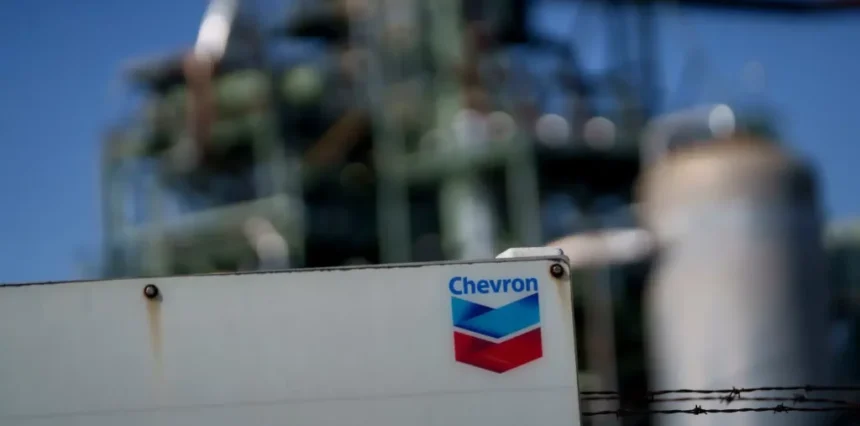
According to officials, the ship is a part of a “shadow” or “ghost fleet” that circumvents sanctions, and the US plans to keep the ship and its cargo if it is apprehended. However, one American oil company, Chevron, continues to operate in the country despite this near-complete blockade.
Also Read:
For Beauty Consumers, Department Shops Compete with TikTok and Amazon
Rights Organizations Denounce Saudi Arabia’s Recent Record Number of Executions