
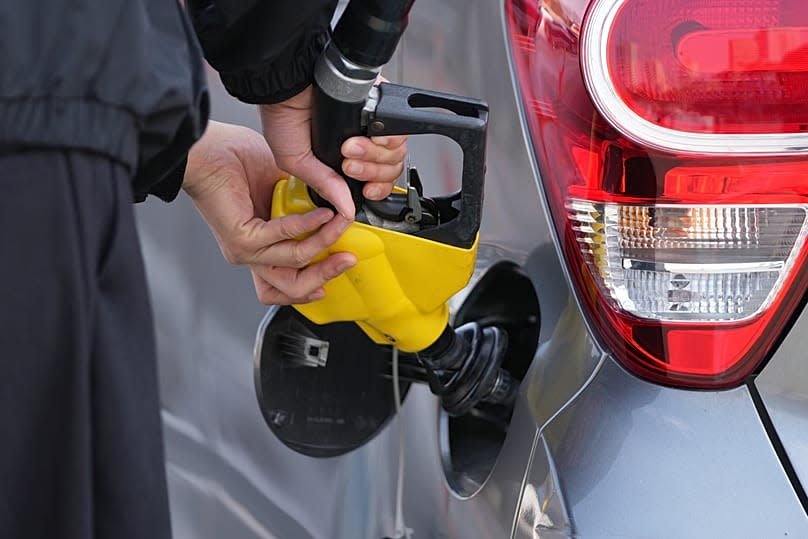
Fuel costs have increased throughout Europe due to the intensifying conflict in Iran, but Germany has been more severely affected than others; in recent weeks, petrol prices have increased by over 5%, which is significantly more than the EU average.
It is quite different from the neighbors. Slovakia and Hungary saw gains of only 0.1%, whereas France and Austria saw increases of over 2%, Estonia 3.6%, and Luxembourg 3.5%. The particularly sharp increases in Germany, the Netherlands, Denmark, and Finland have been highlighted by the European Commission, which releases weekly data in its Oil Bulletin.
With an average of €2.17 per litre last week, Dutch drivers are currently paying the highest gas prices in Europe. A separate pricing policy is in place in Austria, where gas stations are permitted to raise their prices only once a day, at midday. Reductions, however, can happen at any time.
It is arguable whether this actually results in lower gas costs, but it does make the situation more apparent. Since most Germans commute, shop, and go to school by car on a regular basis, there has been increasing pressure on the government to take action. In response, a task force led by Sepp Müller convened on Monday and accused energy corporations of “price gouging.
Also Read:
Shaping the Future through AI Solutions: Stefan Kløvning as the Co-founder of Nordic AI
Empowering Humans with AI: Sebastian Knørr Vision Behind Building Nordic AI