
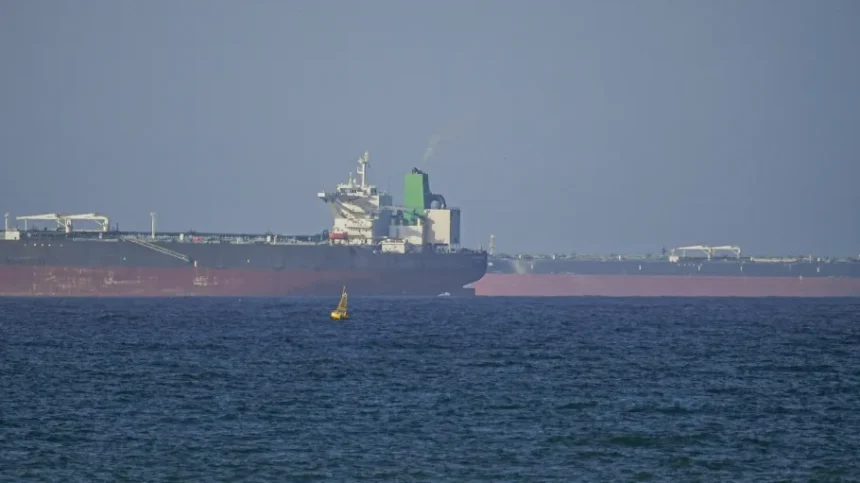
Iran’s navy has warned ships in the Gulf that any ships that try to cross the Strait of Hormuz without permission “will be targeted and destroyed,” according to the shipping brokerage business SSY. On Tuesday night, a two-week ceasefire was agreed to, but only if “safe passage” through the tiny strait is assured. Since then, just a few ships have crossed.
The strait has become a key part of the US-Israel battle with Iran since Tehran has essentially blocked one of the world’s most significant shipping lanes, which carries about a fifth of the world’s oil and liquefied natural gas.
The disruption has sent shock waves through the entire economy over the past five weeks, raising energy costs and showing how much the strait, which is just about 33 km (21 miles) wide at its narrowest point, is needed for international supply networks. The Gulf is important for more than just energy; it’s also important for moving chemicals that are needed to make microchips, medicines, and fertilizer.
Shipping experts say that even though oil prices have fallen because of the ceasefire, there will be only a few crossings for now.Lars Jensen from Vespucci Maritime says that most shipping lines would want to know more about what it really takes to transit and that information is not available.
Also Read:
For the First Time Since the full-Scale Invasion, a Senior NATO Delegation Travels to Ukraine
Dr. Sofica Bistriceanu’s Inspiring Journey As A Multifaceted Expert