
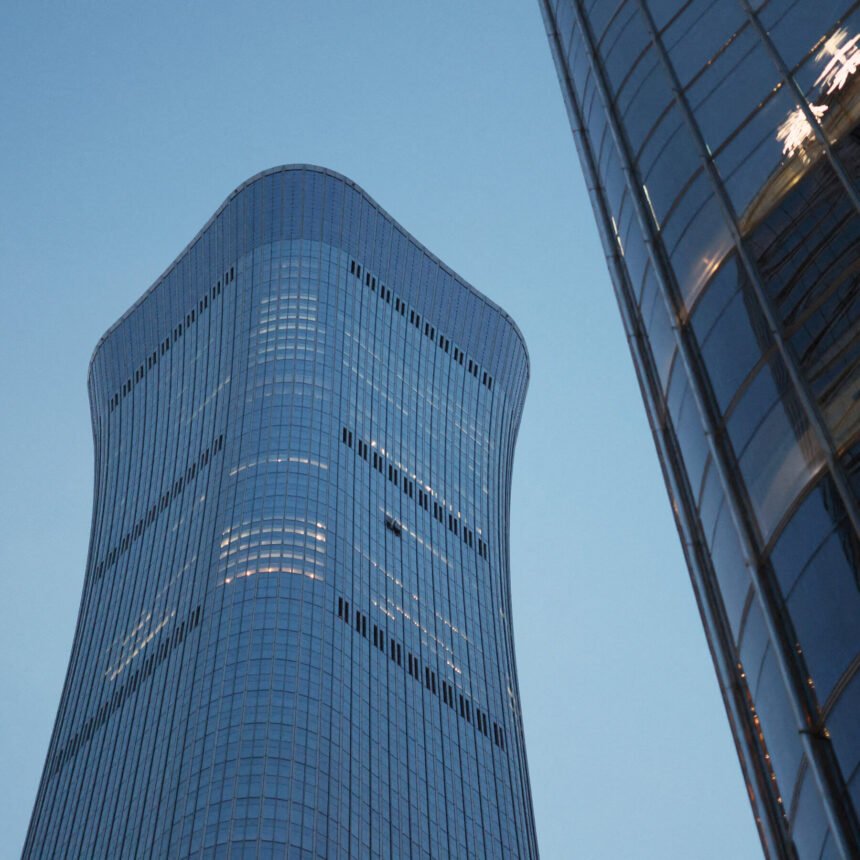
Four days have passed since a small plane crashed into Beijing’s tallest skyscraper, killing the pilot—the only person on board—and injuring thirteen others. However, the cause and method of the incident remain unknown.
The only official comment China has released on the incident, which occurred only a few kilometers from Zhongnanhai, the Communist Party’s headquarters, is a 60-word report in state-owned Beijing Daily that summarizes the essential details.
The 109-story CITIC Tower’s side has been boarded up after holes were created by Friday’s crash. The incident’s dramatic video has been removed off the internet. The BBC was informed by at least three aviation companies that they had been forced to halt light aircraft operations, but they refused to provide further details, claiming they had been advised not to talk about it. Speculation about how the aircraft got inside a city with some of the tightest aviation regulations in the world is growing amid the lack of information.
Censorship is nothing new in China. It is uncommon for the party, the nation’s leaders, or the government to be criticized, and any conversations that appear critical, have political ramifications, or touch on delicate subjects swiftly vanish.
However, it has gone well beyond the obvious targets this time. Chinese social media companies have also deleted images and memes of the skyscraper that had nothing to do with Friday’s catastrophe.
Also Read:
Wallet-as-a-service’ startup Ansa raises $14 million with female investors leading the way
Young People’s Better Mental Health Is Associated with Physical Fitness