India is prepared for a once-in-a-generation redrawing of its political map, prompted by the government’s attempt to reserve one-third of seats in parliament and state assemblies for women. To do this, the administration will introduce a constitutional amendment requiring a two-thirds majority, supported by a three-day special session beginning Thursday.
Women account for only approximately 14% of India’s 543 lower house MPs. The reform would increase it to nearly one-third, bringing it closer to worldwide norms. Its implementation is now related to a population-based redrawing of constituencies based on the 2011 census, which will most certainly increase the lower house from 543 to around 850 seats.
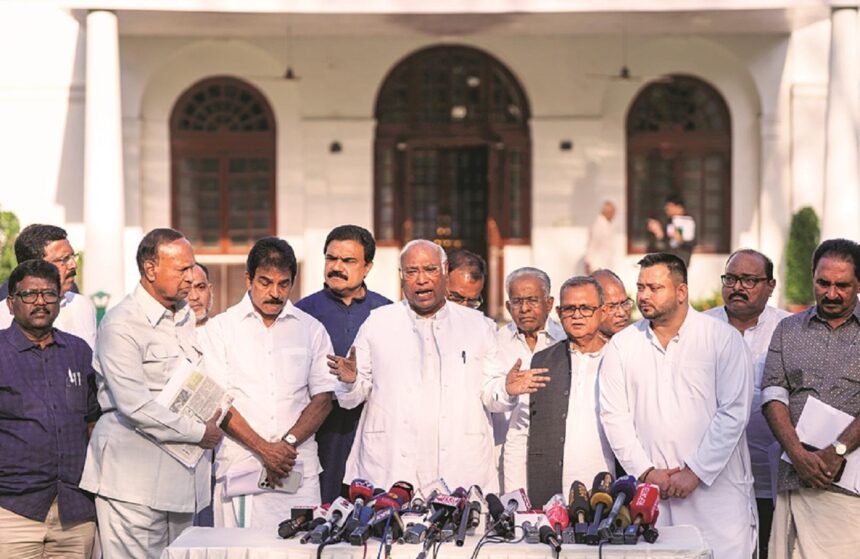
However, this has sparked controversy, with opposition parties accusing the administration of pushing measures during an election season. Opposition parties argue that a women’s quota is linked to a contentious redrawing of constituencies, transforming gender reform into a larger political transformation. Given the current strength of parliament, we recommend reserving 33% of seats for women. We also propose to put a further moratorium on increasing overall seats in parliament until population trends stabilize. We object to the hurry with which this session was convened in the midst of an election season,” said John Brittas, an MP from the opposition Communist Party of India (Marxist).
Also Read:
Anthony Penwright | A Strategic Force Behind Global Smart City and Digital Programs