
As the world transitioned from celebrating the new year to the first weekend of 2026, some social media users observed a sudden spike in pizza sales around the Pentagon in the early hours of Saturday morning, which was interpreted in casual online circles as a sign of imminent US action anywhere in the world.
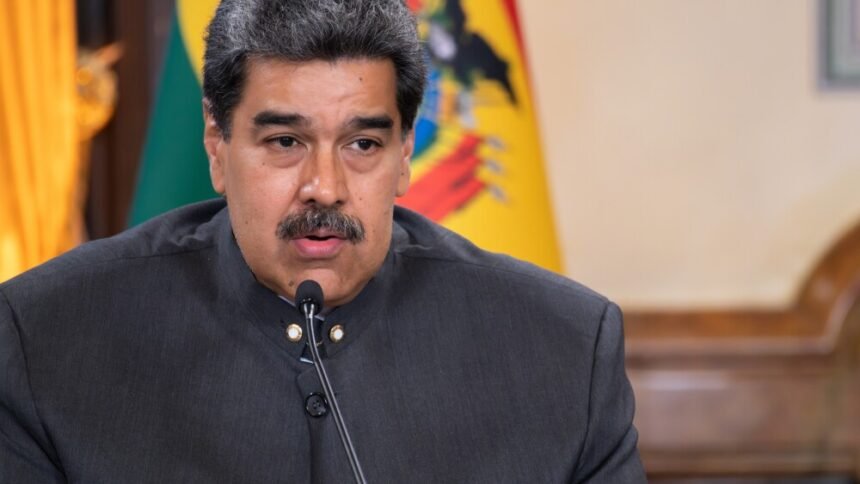
Then came the strikes on Venezuela overnight into Saturday, which surprised many who did not expect the new year to begin with the arrest of Venezuelan President Nicolas Maduro. However, there was no break: numerous significant geopolitical developments at the end of the year refocused attention on US foreign policy and its repercussions for Washington’s allies and adversaries, ranging from Venezuela and Iran to Syria and beyond.
His comments came alongside key changes in Latin America and Africa: from the strikes on Caracas and the fall of Maduro, to police operations against the so-called Islamic State group militants’ places in northern Nigeria, said to be carried out at the demand of the country’s government.
Some commentators have noted that all three countries, Iran, Venezuela, and Nigeria, are oil producers. The question now is whether the US, in these sensitive global energy market conditions, is attempting to play a more active role in the oil equation, even influencing OPEC.
However, Venezuelan oil industry authorities have stated that the country’s primary facilities, which contain the world’s largest proven oil reserves, have not been destroyed, and that production and processing are continuing.
Also Read:
For Beauty Consumers, Department Shops Compete with TikTok and Amazon
Rights Organizations Denounce Saudi Arabia’s Recent Record Number of Executions