
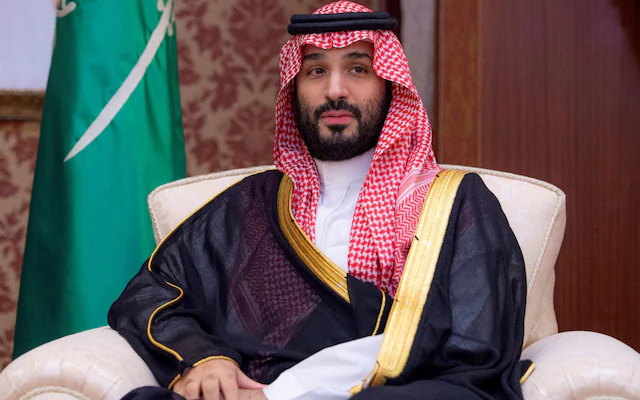
Autocratic kings once left a legacy of glory in the wreckage of megaprojects they oversaw at the height of their unrivaled authority. These colossal physical imprints can be found throughout the Middle East’s rich plains, mountainsides, and deserts. However, one of their most well-known modern counterparts may only leave a digital footprint for some of his most ambitious plans.
A decade ago, Saudi Crown Prince Mohammed bin Salman – or MBS as he is commonly referred to – issued a decision that defied science fiction and transformed his kingdom. It was dubbed Vision 2030. Extraordinary monolithic constructions were to help bring forth new technical marvels not only for the Kingdom, but for the entire world.
Those ideas were manifested in expensive public relations material conjuring up fantasy worlds that drew reams of coverage laced with amazement and scorn. It was made possible by Saudi Arabia’s over $1 trillion (£744 billion) sovereign wealth fund (PIF), whose fortunes, which are heavily reliant on oil, were to be used to lay the groundwork for a future without oil.
Also Read:
Anthony Penwright | A Strategic Force Behind Global Smart City and Digital Programs