
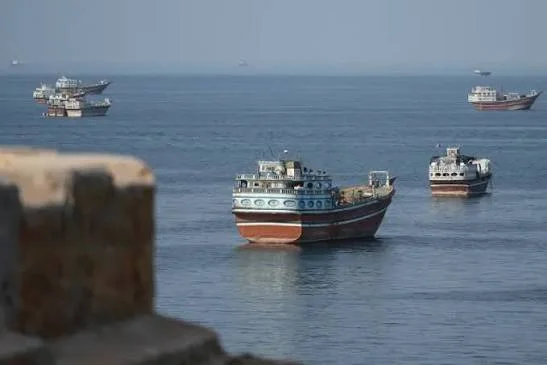
Middle East Gulf region crude oil shipments excluding Iran returned to pre-war levels in September despite strikes on ships in the Strait of Hormuz, marine surveillance firm Kpler said. The recovery was driven by improvements in the region’s export routes. At least 16.5 mbd (million barrels a day) left the region between 1 and 28 September, in line with the pre-war average excluding Iran. That is 10.5 mbd over March’s monthly average,” the business added.
Now, 40% of those exports go around the Strait of Hormuz, up from 17% before the conflict, with pipelines in Saudi Arabia and the United Arab Emirates offering important alternative routes. Most crude across the strait swaps tankers offshore. Brent futures were about $72 before the war. The impact on shipping through the strait has echoed around the world economy with governments scrambling for alternatives and fuel prices skyrocketing.
Iran still claims ownership of the waterway and ships that transit without its permission are in danger of attack. But more ships are getting through, and alternate routes are working at full stretch. But experts warned that despite the rise in exports things were far from normal. At the same time, a US blockade on Iranian ports continues to restrict a substantial part of Iran’s own oil shipments.
The kingdom has benefited from the restoration of the East-West pipeline, connecting its main oil reserves in the east to the Red Sea terminal at Yanbu, bypassing Hormuz. The pipeline was shut down on 11 September by strikes from Iraq and restarted operations on 22 September, Kpler analyst Amena Bakr stated last week.
Also Read:
Dr. Sofica Bistriceanu | Where Medicine Meets Meaning
Lusine Aghajanyan On AI-Driven Maritime Strategy | Lunova Maritime