
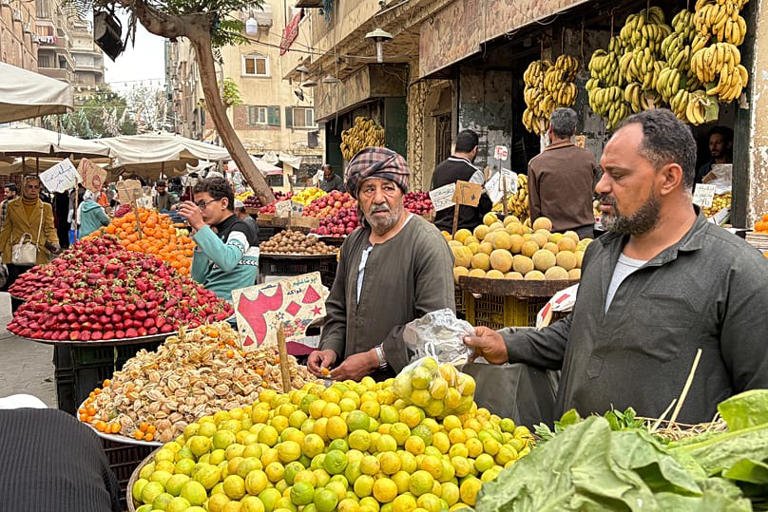
Egyptian retailers, eateries, and cafés have been instructed to close early as part of a series of short-term steps to address the skyrocketing energy costs brought on by the conflict in Iran. For the next month, starting on Saturday, retail and dining establishments must close by 21:00 (19:00 GMT) every night.
In addition to lowering street lights and roadside advertisements, the Egyptian government’s “exceptional measures” include requiring many people to work from home one day a week in April. The Middle East crisis and the successful blockade of the Strait of Hormuz, a vital shipping route for oil and liquefied natural gas, have had a particularly negative impact on Egypt.
Since the waterway’s supply virtually stopped, the price of oil has surged globally, raising concerns that if the issue is not fixed, it may have an impact on the cost of food, medicine, and other items. Despite not being involved in the conflict, Egypt is susceptible to supply shocks due to its reliance on imported petroleum.
Egypt’s petrol cost alone more than quadrupled from January to $2.5 billion (£1.9 billion) in March, according to Prime Minister Mostafa Madbouly’s statement on Saturday. According to the administration, hotels and tourist destinations would not be subject to the energy-saving requirements. An estimated 10% of Egypt’s economy comes from tourism.
Also Read:
Anthony Penwright | A Strategic Force Behind Global Smart City and Digital Programs