
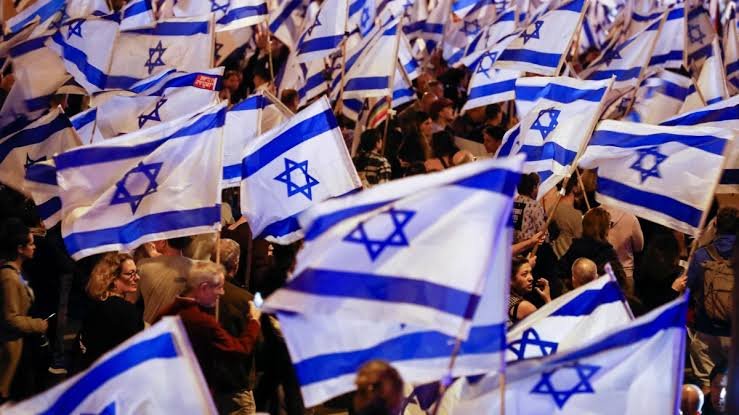
Israelis are going to the polls in what many believe to be one of the most critical elections in the country’s history. A poll released Friday shows incumbent Benjamin Netanyahu in a near neck-and-neck fight for prime minister with former military leader Gadi Eisenkot.
But neither bloc is expected to win the 61 seats needed to form a majority government, meaning weeks or months of political horse-trading could lie ahead. Security has dominated the campaign, with the opposition alliance pounding Netanyahu for the unparalleled security failure that led to the 7 October Hamas-led attacks on Israel, in which almost 1,200 were murdered and 251 carried back to Gaza as captives.
They have called for an impartial commission of inquiry into the attacks something Netanyahu has opposed for a long time, saying it would be biased against him. Despite the opposition’s attack lines, Netanyahu has once again positioned himself as “Mr Security,” citing what he says are strategic successes in Israel’s battles across the Middle East and his close relationship with US President Donald Trump.
Israel has always had coalition governments due to its system of proportional representation and the battle for power has led to surprising partnerships in the past. But this election seems exceptionally close and lines in the sand have already been drawn.
Also Read:
AI-Powered SEO: How Machine Learning Is Changing Search Rankings
Due To The Ceuta Migrant Problem, Italy Demands That Spain’s Schengen Area Be Closed