


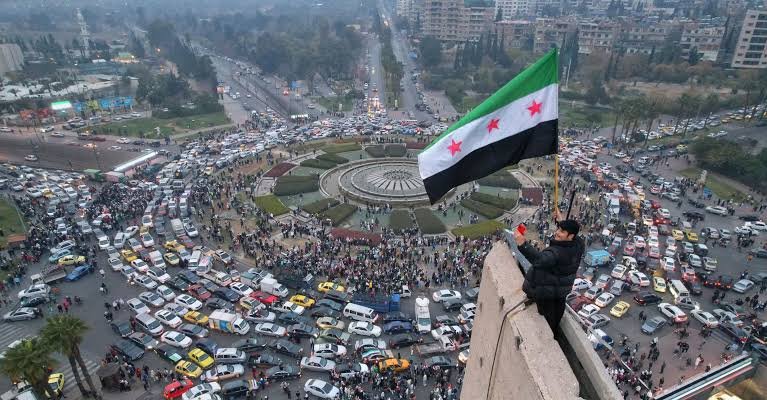
Last month, protests broke out in squares and streets around Syria. Angry over the government’s decision to raise petrol prices again, people burnt tyres, blocked highways and shouted slogans. It was the largest expression of discontent yet since President Ahmed al-Sharaa became president two years ago.
One man, speaking on a Syrian TV channel, said he was still in support of the regime but his circumstances had worsened to the point he could no longer afford to buy bread. ‘Honestly,’ added another, ‘we have begun to dread what fresh decision each morning may bring.’
The rise was the latest in a string of measures blamed for a cost-of-living issue. Many Syrians have found their financial lives worse since rebels led by Sharaa removed President Bashar al-Assad, ending his family’s five decades of cruel reign and more than 13 years of a horrific civil war.
Sharaa, thrust into the president, has since steered Syria’s transition and efforts to restore a damaged economy after a lengthy period of mismanagement, isolation and conflict. There was never any question about how hard this would be. But in their celebrations over the ousting of Assad and their newfound freedoms, Syrians, perhaps unreasonably, assumed things would get better immediately. But that has not been the case and many here are upset with how the economy has been handled.
Also Read:
Dr. Sofica Bistriceanu | Where Medicine Meets Meaning
Lusine Aghajanyan On AI-Driven Maritime Strategy | Lunova Maritime

