


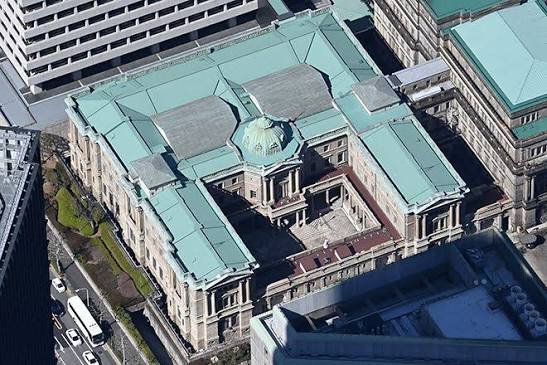
Successive governments have spent decades trying to break the economy out of a deflationary cycle, a persistent fall in prices that hurts GDP, and the 2% goal was set in 2013 when the BoJ initiated substantial monetary easing.
Core consumer inflation often exceeded the early 2020s target but Friday was the first time the central bank admitted the long-run price trend had been reached.” Underlying CPI inflation is at a level which is generally consistent with the price stability target of two percent, and is expected to remain at around that level,” the central bank said on its website.
The central bank sees inflation as sustainable, but Prime Minister Sanae Takaichi’s administration has been more reluctant to issue an official declaration of victory over deflation. Takaichi is regarded to prioritise economic stimulus measures over inflation control, which may imply pressure on the BoJ to maintain rates low.
The BoJ said in a statement it had held its key interest rate constant at 1.25% by an eight-to-one majority vote, in line with similar choices over the past two days by the US Federal Reserve and the European Central Bank.
But Japanese officials are likely to raise in December as inflationary pressures build. Japan’s consumer prices have been on a persistent upward trend since spring 2022, prompting the BoJ to start hiking rates in March 2024 after a decade of ultra-loose monetary policy.
Also Read:
Dr. Sofica Bistriceanu | Where Medicine Meets Meaning
Lusine Aghajanyan On AI-Driven Maritime Strategy | Lunova Maritime

