
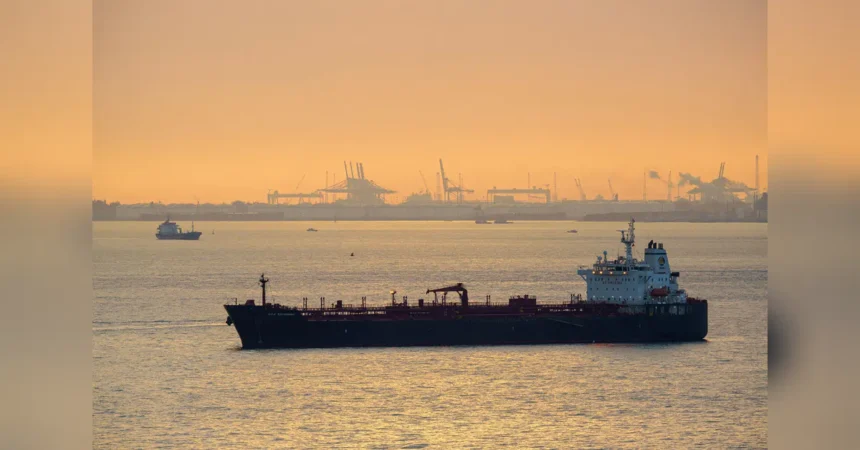
The price of oil has dropped to levels not seen since before the Iran conflict, as trade through the critical Strait of Hormuz shipping route gradually resumes. Global benchmark Brent crude temporarily dipped below $72.48 (£55) per barrel, the price the day before the US and Israel launched attacks on Iran on February 28, before recovering to $72.63.
Energy costs have risen dramatically since Iran effectively closed the strait, a vital conduit for oil and gas shipments, in response to the strikes. The price of crude has fallen substantially since the United States and Iran signed a Memorandum of Understanding (MOU) on June 17th, which established a 60-day timetable for negotiations on Tehran’s nuclear program and other measures to stop the war.
Last weekend, representatives from both sides met in Switzerland to discuss ending the war, and the US partially lifted sanctions on Iranian oil exports. The number of vessels passing the Strait of Hormuz has increased dramatically since the MOU was signed, according to maritime intelligence firm Kpler.
The United States and Iran had also established a “communication line” to avoid misunderstandings, with the goal of ensuring safe passage for commercial vessels through the Strait of Hormuz, mediators Qatar and Pakistan said in a joint statement Monday.
Also Read:
Anthony Penwright | A Strategic Force Behind Global Smart City and Digital Programs