
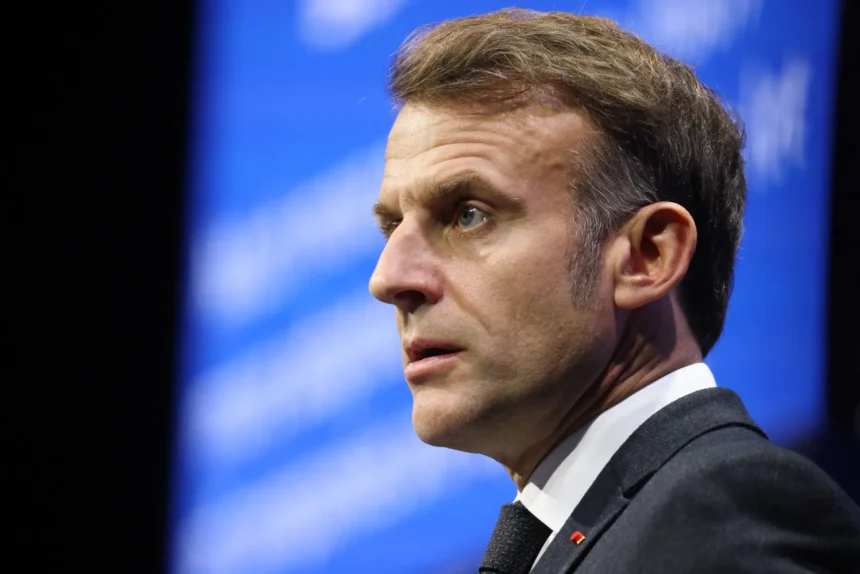
Pressure is mounting on European leaders to consider deploying the EU’s strongest trade defence tool against the United States after President Donald Trump threatened new tariffs unless Denmark agrees to sell Greenland.
At the centre of the debate is the EU’s Anti-Coercion Instrument, a powerful mechanism designed to respond when third countries use trade or investment pressure to influence EU decisions. Calls for Brussels to activate the tool are growing as concerns rise over what officials describe as economic coercion.
Adopted in 2023, the Anti-Coercion Instrument was created with both the US and China in mind, as the world’s largest economies increasingly use tariffs and control over key resources to advance national interests. Under EU law, economic coercion occurs when a country threatens or imposes trade measures to force the EU or one of its member states to adopt or change a specific policy.
The current situation echoes last year’s tensions, when the EU explored retaliation options after Washington warned it would impose tariffs on the bloc during what was dubbed Liberation Day. At the time, Brussels prepared a list of US products that could be targeted, largely affecting states governed by Republicans. The proposed measures covered €93 billion worth of goods, including bourbon, aircraft components that would impact Boeing, soybeans and poultry.
Also Read:
Aid Operations Are Stopped By The Controversial US-Backed Gaza Humanitarian Foundation
Nigeria: Over 300 Students Were Kidnapped During A School Raid