
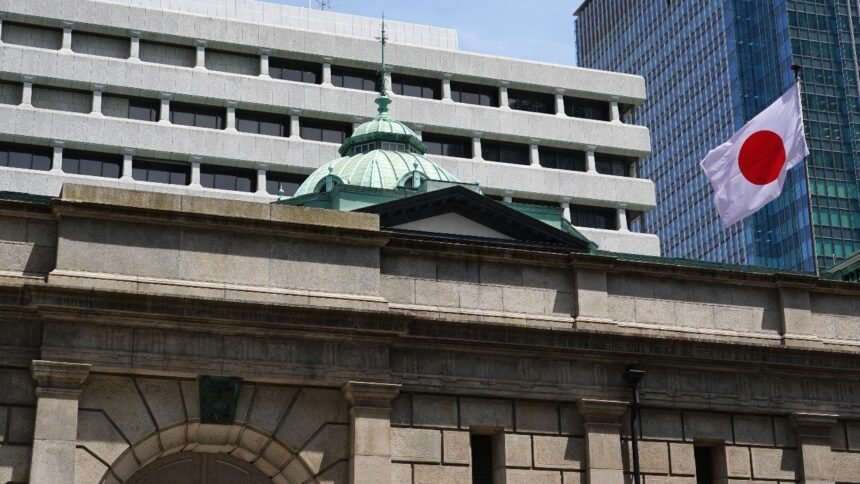
Higher energy prices have fueled inflation, putting pressure on countries such as Japan, which rely significantly on Middle Eastern oil and gas. Japan’s wholesale prices increased by more than 6% in May compared to the previous year, the quickest pace in three years.
However, the country’s overall inflation rate, which was 1.4% in April, is now below the BOJ’s objective of 2%. The likelihood of Japan’s economy deteriorating quickly as a result of the Iran war is reduced by government actions such as lessening the burden on consumers from rising gasoline costs, the bank said on Tuesday.
However, it added: “Taking into account that medium- and long-term inflation expectations have also continued to increase, there is a risk of underlying inflation deviating above our price target.” The BOJ confronts a difficult trade-off: raising interest rates may help to reduce inflation, but higher rates also make borrowing more expensive, boosting government and business costs.
Kazuo Ueda, the bank’s governor and a key role in interest rate decisions, was unable to attend this week’s meeting due to a hospital stay for treatment of an infected liver cyst. However, in recent months, he, like other BOJ policymakers, has voiced a growing optimism about rising interest rates.
Also Read:
In An Open Letter To Putin, Zelensky Suggests In-Person Discussions
Israel, Lebanon Choose To Ceasefire If Hezbollah Halts Assaults