The US-Israel strike on Iran has reduced travel to the Middle East, with early estimates placing the damage to the tourism industry at €515 million per day. While the ceasefire in April allowed some visitors to return to the region, and we anticipate that the signing of a Memorandum of Understanding between Iran and the United States this week will have an impact, one big obstacle to travel remains: insurance.
Foreign offices around the world issue travel advisories based on factors such as civil instability, conflict, and terrorism, and traveling to a nation against this advise may render your travel insurance useless.
While the UK’s Foreign, Commonwealth and Development Office (FCDO) has revised its travel advisory for numerous Middle Eastern and Gulf destinations, France and Germany continue to advise against all but essential travel.Etihad Airways, based in the UAE’s capital Abu Dhabi, is providing complimentary medical travel insurance.
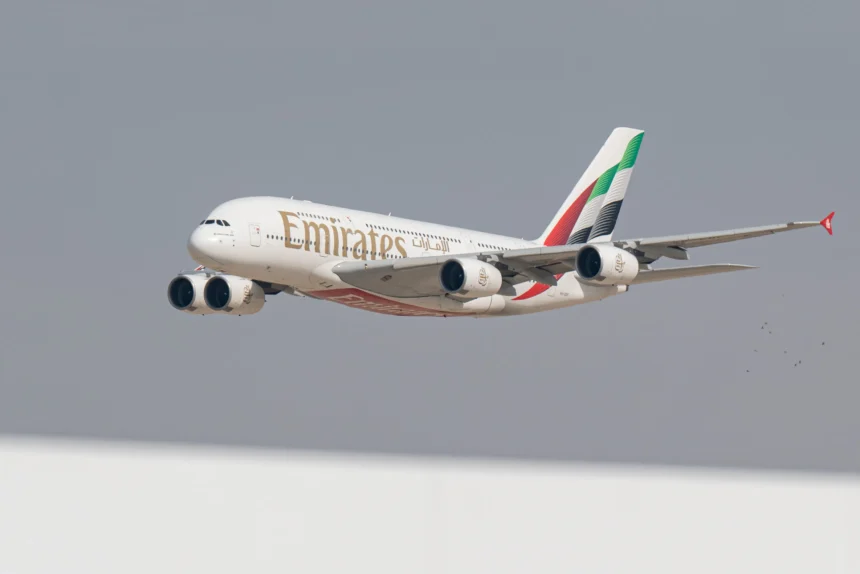
Available from July to December 2026, the coverage is valid for up to 15 days in the UAE for any overseas guests arriving on Etihad-operated aircraft. The insurance is also available for individuals who use the airline’s stopover service. Emirates, based in Dubai, is offering comprehensive travel insurance for an extra cost on any flights booked through emirates.com.
Also Read:
In An Open Letter To Putin, Zelensky Suggests In-Person Discussions
Israel, Lebanon Choose To Ceasefire If Hezbollah Halts Assaults