
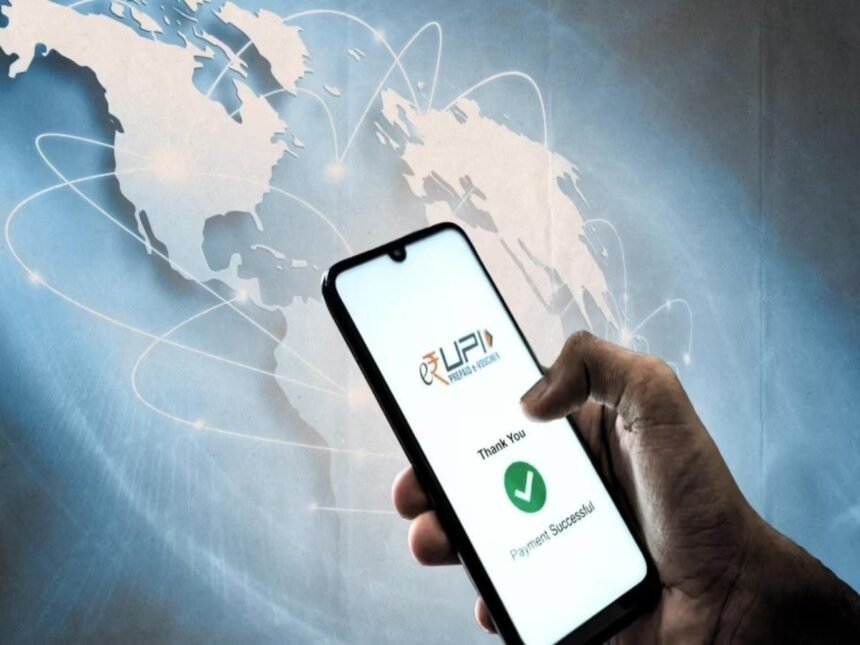
For most Indians, using the Unified Payments Interface (UPI) has become almost comically normal. Scan a QR code, hit a few buttons, and the money is transferred quickly. No card machine, no cash, and, most crucially, no visible fee to the user.
India has allowed banks and payment providers to charge merchants a fee for UPI transactions, potentially ending a decade-long experiment in free digital payments. The government has yet to decide on the rate or where it will be applied, but suggestions under consideration include a merchant discount rate (MDR) of 0.3-0.5% – a tiny fee paid by a firm to banks and payment companies that handle its UPI payments – on larger transactions at major businesses.
The government has stated that consumers and person-to-person UPI payments will stay free. If merchant fees are implemented, they will only apply to transactions above a certain level and at a low rate, ensuring that most UPI payments remain free.
The concern is whether placing a fee on UPI will undermine the network that made it so successful. The stakes are high. UPI was launched in 2016 and has since evolved to become one of the world’s largest real-time payment networks.
Also Read:
The EU Approves Additional Sanctions Against Russia As Greece Receives LNG Exemption
Google’s Fine ‘Creates Uncertainty’ For EU-US Trade Deal, US Trade Representative Says